Get Healthy!
- Posted December 22, 2025
Holiday Carbon Monoxide Risks Families Should Know
Holiday gatherings often mean more cooking, heating and travel, but they can also raise the risk of a dangerous threat many people never see or smell: Carbon monoxide.
So far this holiday season, the New Jersey Poison Control Center has helped care for 58 people, including children, who were exposed to carbon monoxide (CO), officials said. The cases highlight how easily this deadly gas can build up in homes during colder months.
Carbon monoxide is often called “the silent killer” because it is colorless, odorless and invisible. Exposure can cause symptoms that feel like the flu, such as headache, dizziness and nausea, but at high levels, it can lead to loss of consciousness or death.
“These numbers remind us that carbon monoxide poisoning is not rare -- it’s a real and present danger in every home,” Dr. Diane Calello, medical director of the New Jersey Poison Control Center, said in a news release.
Cold weather increases CO risk because families rely more on heaters, generators and other fuel-burning devices, experts said.
Even short-term misuse such as running a generator indoors or using the wrong type of space heater can be deadly.
Calello said prevention is pretty straightforward.
"Install detectors, check batteries and never use gas-powered equipment indoors," she said.
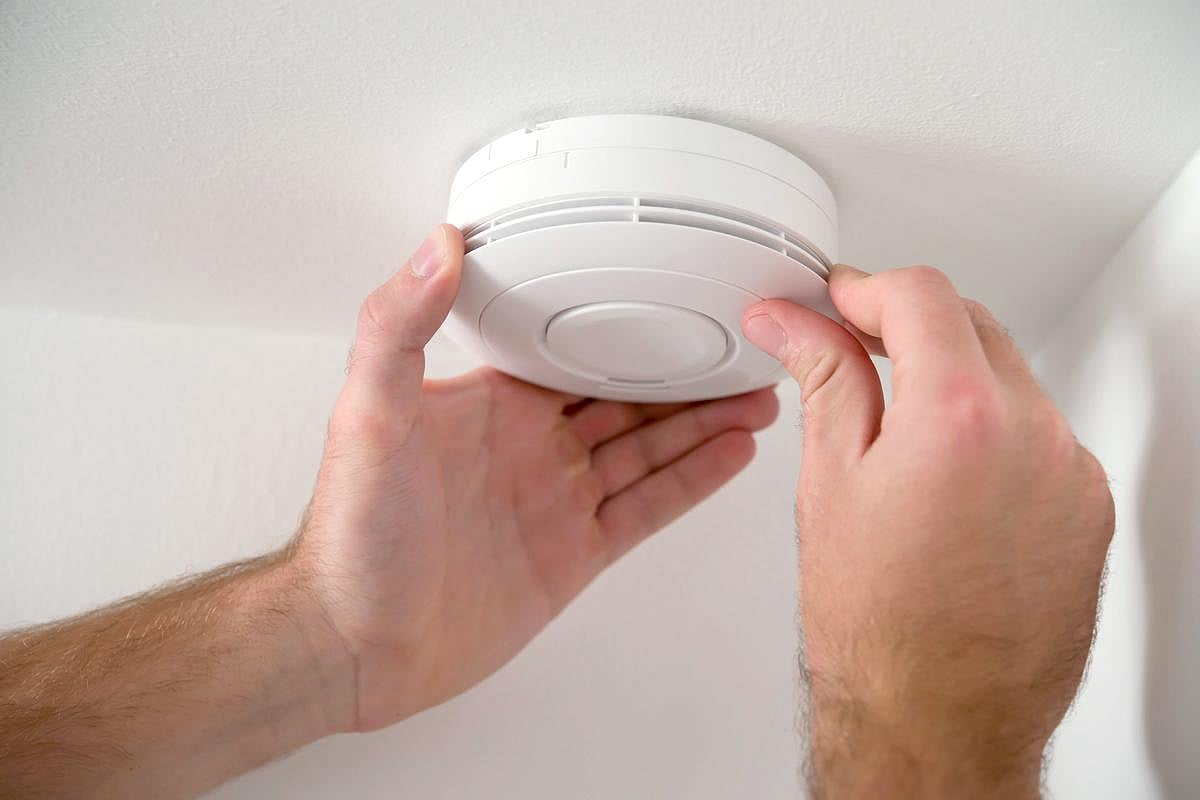
Experts recommend placing carbon monoxide detectors on every level of your home, including basements and near where you sleep. Detectors should be tested regularly, and batteries should be replaced at least twice a year.
Carbon monoxide can also be a risk when traveling. Some vacation rentals may not have working detectors, so experts suggest carrying a portable CO detector when staying away from home.
“People often think they’ll smell or see danger, but CO gives no warning,” said Bruce Ruck, managing director of the New Jersey Poison Control Center. “If your alarm sounds, don’t ignore it. Get outside immediately and call for help. That alarm could save your life.”
Carbon monoxide poisoning sends thousands of people to emergency rooms each year, data shows.
Symptoms may include:
Headache
Dizziness
Nausea
Chest pain
Confusion
If symptoms improve once you go outside, carbon monoxide may be building up indoors.
If a carbon monoxide alarm sounds or poisoning is suspected:
Get everyone, including pets, outside immediately.
Call 911 if anyone is hard to wake or unconscious.
Call your local poision control center for medical guidance. The number is 800-222-1212.
More information
The Mayo Clinic has more on carbon monoxide poisoning.
SOURCE: Rutgers University-New Brunswick, Dec. 18, 2025
